Women’s Metabolism: Understanding Energy, Midlife Shifts & Daily Habits
Women’s metabolism encompasses the complex network of cellular processes that convert food and stored energy into fuel for daily movement, vital functions, and overall vitality. Because energy needs, sleep patterns, activity levels, and hormonal shifts evolve across different stages of life—especially during a woman’s 40s, 50s, and beyond—understanding how metabolism adapts is a practical part of long-term well-being.
At HerHealth Perspective, we explore women’s metabolism with a grounded, objective, and supportive lens, connecting everyday nutrition, movement, recovery, and thoughtful evaluation of wellness products.
Factors That Influence Women’s Metabolism Over Time
Changes in energy, body composition, or appetite cues rarely come from a single factor. Several everyday and biological influences often play a role:
- Muscle Mass & Daily Energy Expenditure: Gradual shifts in lean muscle over time can influence resting energy use, making resistance training and adequate protein especially helpful for supporting strength and function.
- Hormonal Transitions & Fat Distribution: Midlife and menopausal transitions can affect sleep, energy, and where the body tends to store fat, reinforcing the value of sustainable habits rather than extreme restriction.
- Sleep, Stress & Recovery: Inconsistent sleep and ongoing stress can influence appetite signals, daily stamina, and motivation to stay active.
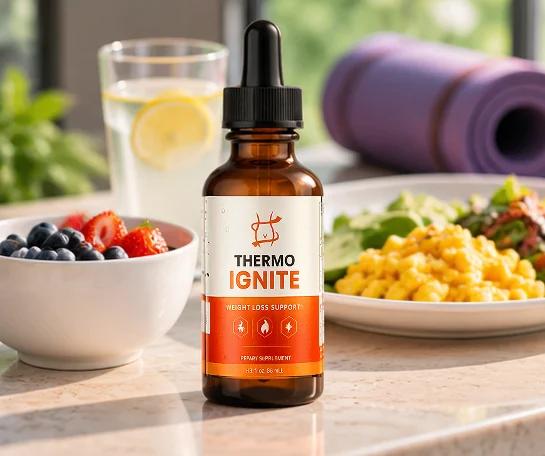
- Nutrition & Supplement Context: Balanced meals with whole foods, fiber, protein, and micronutrients form the primary foundation, while supplements—such as formulas combining botanical extracts or metabolic nutrients—are best evaluated carefully alongside medical guidance.
Building a Realistic Routine Around Metabolic Health
Sustainable progress comes from repeatable daily habits: prioritizing nourishing meals, staying physically active with aerobic and strength exercises, protecting sleep quality, and reviewing any dietary supplement label and potential interactions with a qualified healthcare professional.
Disclaimer: Content on HerHealth Perspective is provided for educational and informational purposes only and is not intended to diagnose, treat, cure, or prevent any medical condition. Always consult a licensed healthcare professional before starting any new diet, exercise routine, or dietary supplement.